Contents Pilates is often perceived as a women's sport. Small group classes, flexibility, a gentle atmosphere... it's hard to



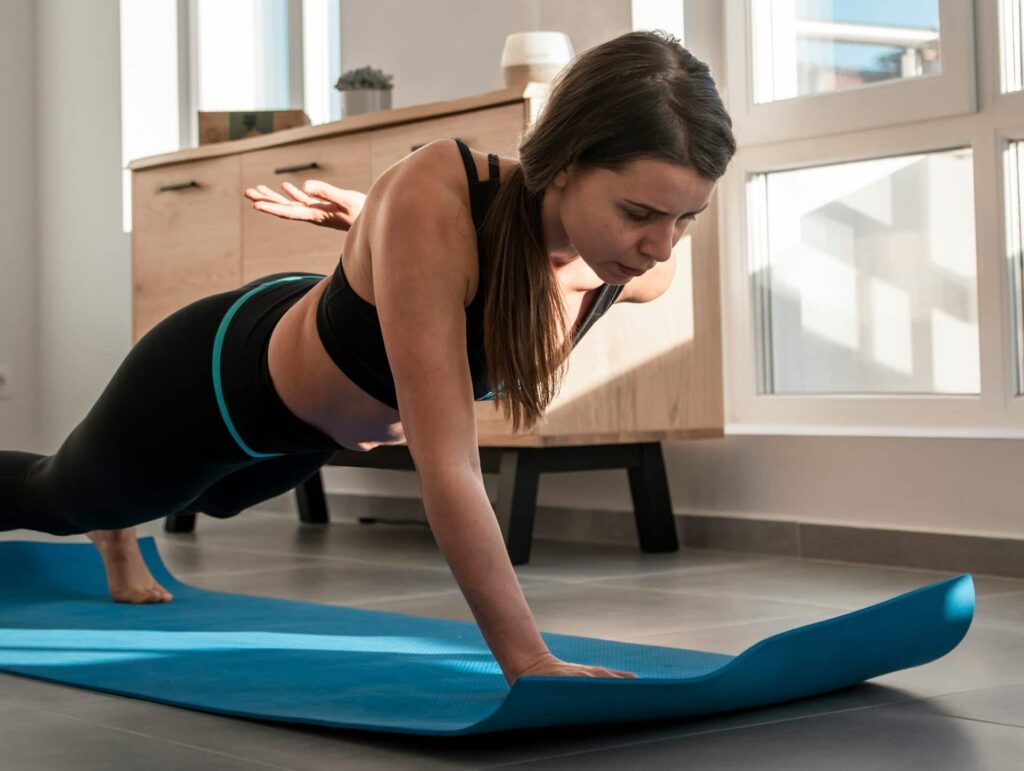
EBy incorporating precise and controlled movements, Pilates for the arms not only tones but also improves posture, flexibility, and stability. These exercises are suitable for all levels and emphasise the quality of movement over quantity.
Pilates, often perceived as a silent dance between body and mind, is above all a method of muscle strengthening essential for your health, which encompasses much more than just movement. Suitable for people of all ages (pilates is good for older people) is an invitation to discover the strength that lies dormant in your deep muscles, including those that shape and tone your arms.
This sport, developed by Joseph Pilates in the early 20th century, is distinguished by its holistic approach. It's not just about pumping iron or mechanically repeating movements; it's about building harmony between your body and mind, thereby promoting overall health improvement, increased muscular strength, and effective training.
In its quest for bodily balance, Pilates leaves nothing to chance, including the work on the arms. But how, exactly, does this method manage to sculpt arms that are not only strong, but elegantly toned ? The answer lies in the precision of his movements.
Pilates exercises are designed to target muscles in a way isolated et intense. By using slow movements et controlled, this method activates the arm muscles in a way that prioritises quality over quantity. Each movement is an act of concentration, where stability and posture play crucial roles. This not only strengthens the muscles but also improves their coordination and efficiency.
For those who are just starting out or want to incorporate arm-focused Pilates exercises into their routine, here are some foundational moves:
Extension of the arms in a lying position: Lie on your back with your arms stretched above your head. Slowly raise your arms toward the ceiling and then lower them back to the starting position. This exercise promotes toning without imposing excessive stress.
The circle of arms: Still lying down, extend your arms to each side at shoulder height. Draw small circles in the air with your arms, keeping your shoulders relaxed. This helps strengthen the stabilizing muscles around the shoulders and arms.
Prayer in motion: Sit with your legs crossed, bring your hands together in a prayer position in front of your chest. Press your palms together as firmly as possible, then gently release. Repeat this exercise to work the muscles in your forearms and biceps.
These exercises are just the tip of the iceberg in The vast world of Pilates, but they offer an excellent starting point for those looking to strengthen and tone their arms. With regular practice, you'll not only notice an improvement in your strength but also in your posture, which is essential for effective and safe Pilates practice.
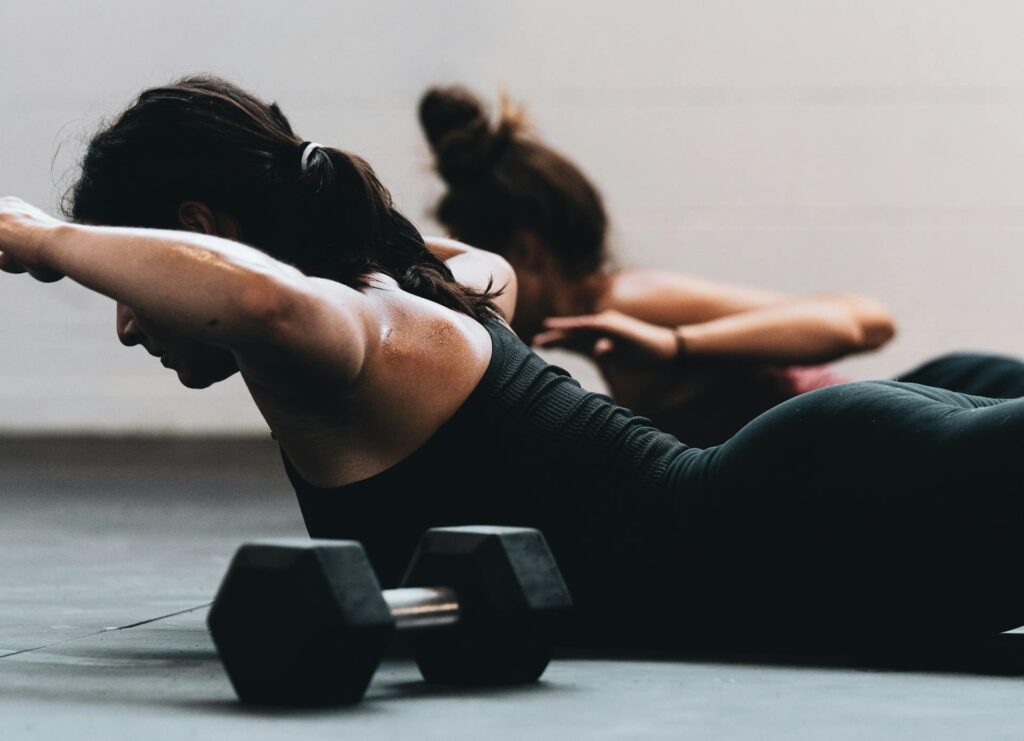
If you're looking to sculpt your arms, the triceps are a key element not to be overlooked. Often overshadowed by the biceps, triceps are nevertheless crucial for achieving firm, well-defined arms. Pilates, with its gentle yet deeply effective method, offers a series of specific exercises to sculpt and strengthen the triceps, an area that can often be stubborn.
Here are some Pilates exercises that specifically focus on strengthening and toning the triceps. These movements require precision and consistency for effective results, but the rewards are well worth it.
Pilates push-ups: Unlike traditional push-ups, Pilates push-ups are performed with a reduced range of motion and a greater focus on the triceps. In a plank position, with hands directly under the shoulders, slightly bend your elbows and keep your forearms straight. Lower your body just a few centimetres, then push back up, focusing on contracting your triceps. You can also watch a video to master this exercise.
The triceps kickback: Equip yourself with a resistance band, an essential item for this exercise. On all fours, with one arm stabilised by the band under your hand, and the other holding the end of the band. Keep the elbow of this arm raised to torso height, then fully extend the arm behind you, before gently bringing it back to the starting position. This exercise isolates the triceps very effectively.
Shadow boxing with resistance: Standing or sitting, with a resistance band attached behind you. Grip the ends of the band with both hands. Extend one arm straight in front of you, as if throwing a punch, then bring it back with control. Alternate arms, feeling the resistance work your triceps with each movement.
As well as strengthening the triceps, these exercises also help to improve your overall posture, a significant benefit of Pilates. Body alignment and the control of each movement play an essential role in the effectiveness of these exercises. By incorporating these exercises into your routine, you will not only notice firmer triceps but also an improvement in your functional strength, which is beneficial for many other daily activities.
While Pilates is often associated with toning and strengthening deep and stabilising muscles, it also offers excellent techniques for targeting more visible muscles, such as the biceps. Strengthening the biceps with Pilates can contribute to better arm functionality in daily tasks and sports, while also enhancing the overall aesthetic and beauty of your arms.
Here is a selection of Pilates exercises that effectively focus on strengthening the biceps, each encouraging not only strength but also improved body awareness and enhanced coordination.
Bicep curl with resistance band: Sit on a mat with your legs extended in front of you, a resistance band under your feet. Hold the other end with both hands. Keep your elbows close to your body and your palms facing upwards. Bend your elbows and pull the band towards your shoulders, then slowly lower your arms. This exercise precisely targets the biceps while minimising the risk of injury, making your workout more effective.
Front raise with rotation Standing with a resistance band under one foot, take the end with the opposite hand. Start with your hand at hip height, palm facing your body. As you raise your arm in front of you to horizontal, rotate your hand so that your palm faces the ceiling at the end of the movement. This adds a twist, which engages the bicep more.
The bow exercise: Stand with your legs slightly apart. Holding a resistance band in each hand, extend your arms straight out in front of you at shoulder height, palms facing each other. Pull the bands by spreading your arms out to the sides in an arc, keeping your elbows slightly bent. This movement not only works your biceps, but also helps to strengthen your chest and shoulder muscles.
Integrating these exercises into your Pilates routine can help you develop more muscular, stronger, and more defined biceps. In addition to strength, these exercises improve the flexibility and mobility of the arms, shoulders, and even the back, thanks to the holistic nature of Pilates, which aims for muscular balance and coordination.
The shoulders play a vital role in almost all arm movements and are essential for maintaining correct posture. Pilates exercises for the shoulders not only strengthen this area, but also improve stability and mobility, reducing the risk of injury.
For those looking to strengthen their shoulders while preserving their health and functionality, Pilates offers targeted exercises that combine finesse and intensity. Here are some effective and safe exercises for the shoulders:
The «Pilates Press» Whether standing or sitting, take a resistance band, an essential piece of equipment, and hold it with both hands, arms raised vertically above your head. Slowly lower your elbows to a 90-degree angle, then raise them back up. Ensure the movement is controlled and focused on activating your shoulder muscles.
Shoulder rotations with band: Whether sitting or standing, hold a resistance band, a useful product, with both hands in front of you, arms extended. Pull your arms outwards, keeping your arms straight, then return to the centre. This exercise works shoulder mobility as well as strength.
Lateral raises with light dumbbells: Standing with a small dumbbell in each hand, keep your arms straight and raise them out to the sides until they are parallel to the ground. Then, lower them slowly. This movement targets the deltoid muscles, which wrap around the shoulders, promoting their strengthening and definition.
Each of these exercises emphasises precision and control, fundamental principles of Pilates that help to maximise effectiveness while minimising the risk of strain or injury. By regularly incorporating these movements into your Pilates routine, you will notice a significant improvement in shoulder strength, which will contribute to better performance in other Pilates exercises and in your daily activities.
Pilates, far more than a series of exercises, is an integrated approach that combines physical movement with controlled breathing and proper posture. These elements are crucial not only for the effectiveness of the exercises but also for preventing injuries and promoting overall body health.
Arm alignment in Pilates exercises is not simply a matter of aesthetics; it is an essential component for ensuring the effectiveness of movements and the safety of the joints. Incorrect alignment can lead to unnecessary strain, particularly on the shoulders and wrists, and reduce the impact of exercises. Here are some points to keep in mind:
Keep your shoulders down and relaxed: This helps to avoid tension in the neck and shoulders, allowing the arms to move freely, effectively and safely.
Align the wrists with the forearms: This prevents wrist strain and supports better force transmission through the arms.
Actively engage your center: The «core» supports your entire body and helps maintain good posture, which is crucial for correct arm alignment.
The way you manage the intensity and progression of your Pilates exercises can have a significant impact on your muscle development and endurance. It is vital to start slowly and progress gradually to allow your body to adapt without the risk of injury. Here's how to incorporate these principles:
Respect your pace: Increase the intensity of your workouts only when you feel comfortable with the current levels.
Use breathing to control exertion: Deep, rhythmic breathing helps to manage effort and maintain concentration and endurance during exercises.
Watch your posture: Good posture is essential to perform movements correctly and maximize their effectiveness. It also helps prevent fatigue and injuries.
Integrating correct breathing and posture into your Pilates routine not only improves performance in arm-targeted exercises but also strengthens your overall Pilates practice. This allows for better energy flow throughout the body, increased endurance, and greater general strength.
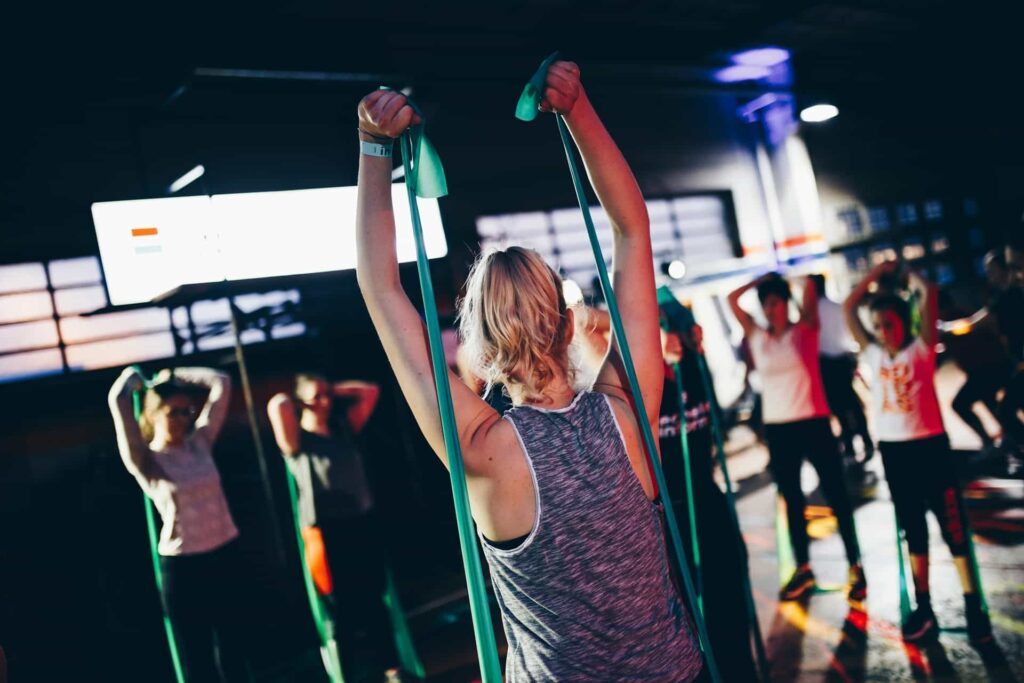
Pilates proves to be a powerful ally for strengthening and toning your arms. Through targeted exercises, you engage your arm muscles effectively, ensuring harmonious and aesthetic development. Every Pilates movement emphasises precision and stability, thereby optimising the toning of your triceps, biceps, and shoulders.
The integration of correct breathing and posture techniques into your Pilates routine not only increases the effectiveness of exercises but also promotes better overall bodily health. These essential practices support precise and safe execution, contributing to sustainable results.
If you are looking for discipline athletic at a time gentle for the body and your health, and effective for working all your muscles, Pilates is an excellent option, especially if you are looking for a studio flat Pilates Paris 10.
At the house of POSES Studio, our classes are thoughtfully designed by experienced coaches, suitable for everyone, from seasoned athletes to beginners. Our clients particularly appreciate our tailored programmes.
Let yourself be enveloped by a soothing atmosphere and take a mental break during your session of Reformer Pilates in a studio in Paris.
Pilates, including the Reformer version, can strengthen the arms, although this is not its primary focus. The movements often involve exercises that build the muscles of the entire body, including the arms, but with less exertion than high-impact, targeted workouts.
Pilates is excellent for strengthening and toning the arms. It targets the deeper muscles, improving tone and flexibility, which is perfect for slimming and firming the arms without putting too much strain on the joints. .
To firm up flabby arms, practice exercises like wall push-ups, triceps extensions, and light dumbbell curls. Also, incorporate exercises targeting the shoulders, such as shoulder presses, to strengthen the entire arm. .
The most effective exercise for the arms is generally considered to be dips for triceps and curls for biceps. Dips work several muscles, while curls specifically target the biceps. Push-ups are also very effective, as they engage multiple muscle groups. .