Contents Pilates is often perceived as a women's sport. Small group classes, flexibility, a gentle atmosphere... it's hard to



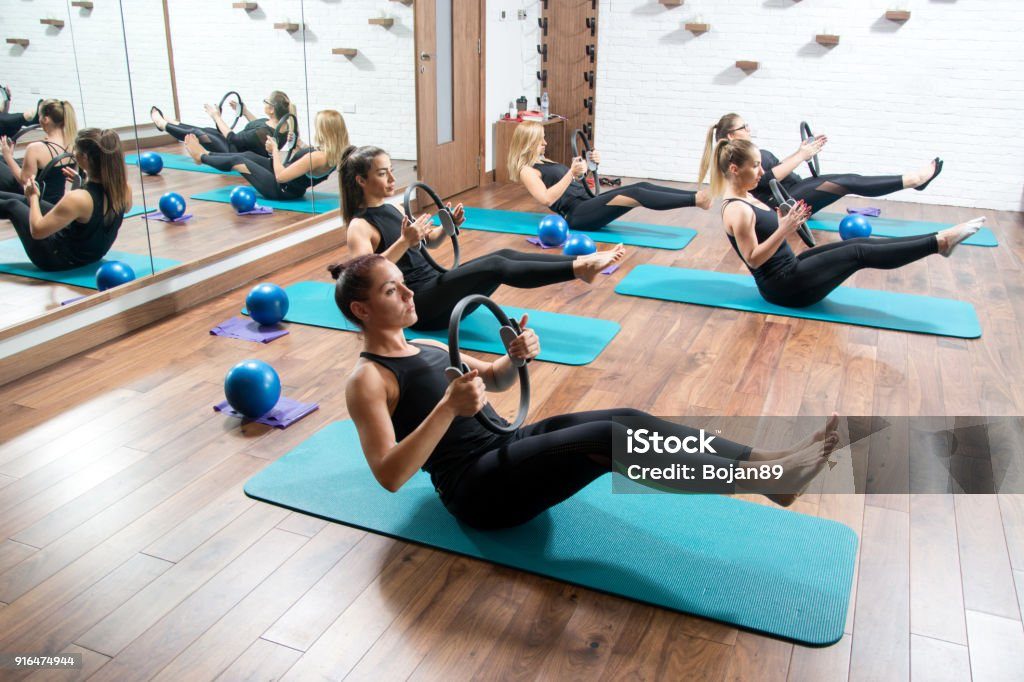
Definition and origins of Pilates
Pilates is a method of physical exercise that was created in the early 20th century by Joseph Pilates, a sports enthusiast and rehabilitation expert. Originally, this method was used to help injured soldiers regain their physical fitness. Today, Pilates is practised by millions of people worldwide, whether in a studio, online via videos led by expert coaches, who are seeking to improve their physical fitness, posture and general well-being.
Joseph Pilates developed this method by combining techniques from gymnastics, yoga, and martial arts, creating a gentle and balanced activity, focusing on fundamental principles that are still at the heart of modern practice, whether in a studio or online.
Pilates is based on several key principles, essential for getting the most benefit from this gentle practice, aligned with your goals:
Breathing : Controlled breathing is crucial in Pilates. It helps to oxygenate the blood, reduce tension and improve concentration.
Concentration Every movement must be performed with total attention. This focus allows for better execution of the exercises and strengthens the connection between the body and mind.
Control Pilates movements must be performed with precise control to avoid injury and maximise effectiveness.
Centering The centre of the body, often referred to as the «core», is the foundation of all Pilates movements. It includes the abdominal muscles, lower back, hips, and glutes.
Fluidity The movements should be fluid and graceful, in keeping with the gentleness of this activity, avoiding jerky motions and unnecessary tension.
Precision Each exercise must be performed with great precision, respecting correct alignments and positions to achieve your goals.
These principles make Pilates a holistic and gentle practice that not only improves physical fitness, including strengthening the legs and core, but also mental clarity and stress management, helping you achieve your wellness goals.
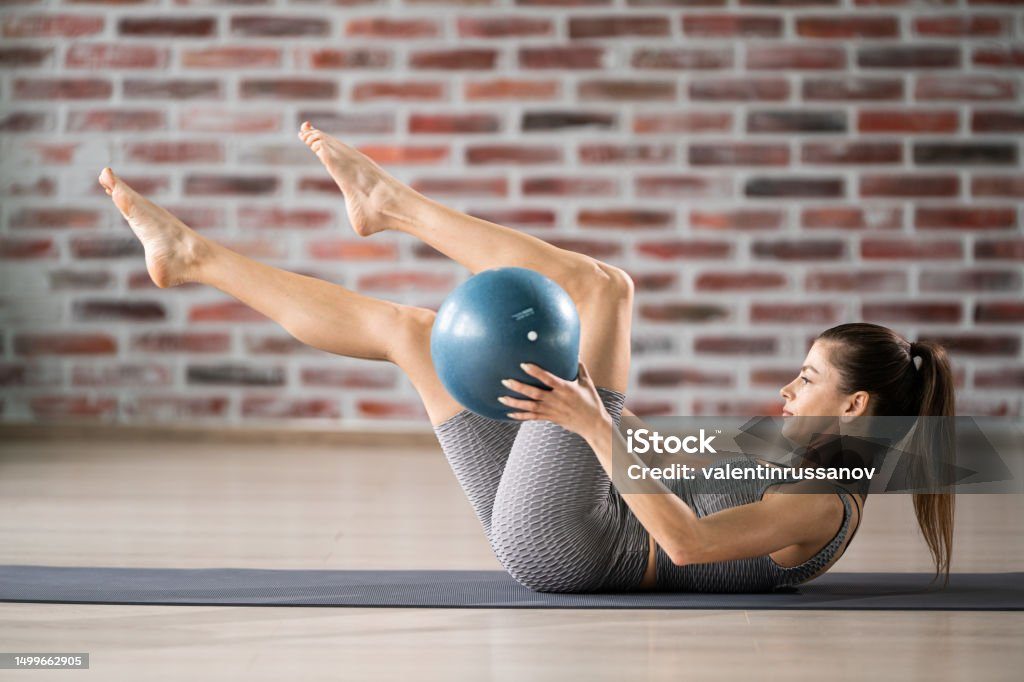
The benefits of Pilates
Pilates offers a multitude of benefits for the body and mind, whether you're a beginner or advanced. This sporting activity has become so popular thanks to its varied programmes tailored to every need. Here are some of the most notable benefits:
Overall and balanced muscle strengthening
Pilates targets all muscle groups, including the deep abdominal and leg muscles often neglected by other forms of exercise. This balanced approach allows for harmonious strengthening, thus avoiding muscular imbalances that can lead to injuries.
Improvement of posture and body alignment
By strengthening the core and emphasising correct alignment, Pilates helps to correct poor posture. Through our sessions and programmes, achieve the goal of improved posture which reduces strain on the spine and joints, thereby promoting better long-term health.
Increased flexibility and joint mobility
THE Pilates exercises include flowing and controlled ground or indoor movements that stretch and lengthen muscles. Through a good warm-up, these sessions improve flexibility and joint mobility, making everyday movements easier and reducing the risk of injuries.
Reduced stress and anxiety
Pilates integrates deep breathing and mental concentration techniques, inspired by yoga, which promote a state of relaxation and well-being. This regular and gentle activity can help reduce stress and anxiety levels, contributing to better mental health.
Prevention and management of back pain
By strengthening the core with targeted exercises and improving alignment, Pilates can prevent and relieve back pain. Strengthening sessions focus on the muscles of the back, abdomen, and legs, which are essential for supporting a healthy spine.
Beginner Pilates: getting started right
Choosing the right course or program
For beginners, choosing The right Pilates course, whether in the gym or on our online platform with videos, is crucial. You have several options for sessions and programmes to consider:
Classes in studio or online Studio classes offer personalised guidance from a qualified coach who can correct your posture and guide you. Online classes, via our video platform, are flexible and can be followed at your own pace, from the comfort of your home.
Difficulty levels It's important to start with beginner classes. These classes are designed to introduce the basics and principles of Pilates, allowing you to progress safely to intermediate and advanced levels with suitable programmes.
Course formats You can choose between individual, small group, or large.
The necessary equipment
To start Pilates, there's no need to invest in lots of equipment. With our platform, you can access warm-up videos and guided sessions. Here's what you'll need:
Comfortable dress Wear clothing that allows for a great range of movement and doesn't restrict exercises. Leggings and fitted t-shirts are often popular choices for practising on the floor or in a gym.
Non-slip floor mat : A good Pilates mat provides support and grip, preventing slipping during exercises.
Optional accessories : Although not essential for beginners, certain accessories can enrich your practice. A Pilates ball, resistance bands and a hula hoop can be useful for diversifying your exercises and strengthening your legs with the help of a coach.
Prepare yourself physically and mentally
Before starting each Pilates session, whether in the studio or online, it's essential to prepare properly:
Warm-up before the session A proper warm-up increases blood circulation and prepares your muscles for exertion. This can include gentle stretches and joint movements.
Deep, controlled breathing Learn to master your breathing, as it is central to the practice of Pilates. Lateral breathing, inspired by yoga, is often used to effectively oxygenate muscles and improve concentration.
Concentration and mental presence Pilates is not just a physical exercise, it is also a mental activity. Concentration on each movement and mindfulness during the session are essential for deriving maximum benefit.
Floor Pilates is a great starting point for beginners. Here are some basic exercises to get you started:
Lateral breathing is essential to oxygenate your muscles and stabilize your core. Lie on your back, knees bent, feet flat. Inhale deeply through your nose, inflating your ribs laterally. Exhale through your mouth, gently contracting your abdominals. Repeat several times to master this technique.
This exercise helps strengthen the deep abdominal muscles. Lie on your back, knees bent, feet flat. Gently press your lower back against the mat, contracting your abdominals. Release then repeat. This movement improves the connection between your lower back and core.
Spinal Stretching
To improve spinal flexibility, sit with your legs extended in front of you. Slowly roll your spine forward, vertebra by vertebra, trying to touch your toes. Hold for a few seconds and then return to a seated position, unrolling your spine vertebra by vertebra.
Basic deck
The bridge strengthens the glutes and lower back. Lie on your back, knees bent, feet flat. Lift your hips toward the ceiling, contracting your glutes and abs. Go back down slowly without touching the ground. Repeat several times.
Chest opening
This exercise stretches the chest muscles and improves posture. Lie on your back with your arms stretched out to the sides. Bring your knees towards your chest and then gently let them fall to one side, turning your head in the opposite direction. Hold, then switch sides.
Standing Pilates exercises strengthen posture and stability. Here are some examples :
Hold on against a wall, heels, buttocks, shoulders and head in contact with the wall. Hold this position to reinforce awareness of your posture.
To strengthen your calves and improve your balance, stand upright with your feet parallel. Rise onto the balls of your feet, then slowly lower yourself back down. Repeat several times.
To work your thighs and glutes, hold a ball between your knees and perform squats. Keep your back straight and your abs tight throughout the movement.
To improve torso flexibility, stand up straight with your feet apart. Slowly twist your torso to one side, extending the opposite arm. Return to the centre, then switch sides.
Accessories add an extra dimension to your Pilates practice. Here are some basic exercises:
Use a ball for massages and stretching. For example, place the ball under your back and roll gently to massage the spine.
Resistance bands strengthen the arms and shoulders. Hold a resistance band between your hands and perform outward pulling movements, maintaining the resistance.
The hoop is excellent for improving joint mobility. Hold the hoop with both hands and use circular movements to stretch your shoulders and arms.
To get the most out of your Pilates practice, regularity is essential. Here are some tips for incorporating Pilates into your daily routine:
Recommended frequency of sessions It is advisable to practice Pilates at least two to three times a week. This helps to strengthen muscles, improve flexibility, and maintain long-term benefits.
Integrate Pilates into your schedule Plan your sessions as you would any other important activity. Choose times of day when you are most likely to stick to your commitment, whether it's in the morning, during your lunch break, or in the evening.
Pilates should be an enjoyable and beneficial practice. To avoid injury and maximize benefits, follow these recommendations:
Avoid painful movements : If an exercise causes pain, stop immediately and adjust your position. Never force beyond your abilities.
Progress at your own pace Every body is different. Progress gradually, increasing the intensity and complexity of exercises as you gain strength and flexibility. Respect your own pace and do not compare yourself to others.
To avoid monotony and continue to progress, it is important to vary your exercises:
Explore new exercise variations : Pilates offers a multitude of variations for each movement. Try different variations to target different muscles and maintain your interest.
Gradually increase the intensity and duration As you get stronger, increase the duration of your sessions and the intensity of your exercises. Add accessories like light weights, resistance bands, or balls to present new challenges.
Motivation is the key to maintaining a regular practice. Here are some tips for staying engaged:
Set realistic goals : Establish clear and achievable goals. Whether it's improving your posture, increasing your flexibility or strengthening your core, realistic goals will help you measure your progress.
Celebrate your progress, even if modest Every small improvement deserves to be celebrated. Acknowledging your progress, even the most modest, boosts your motivation and encourages you to keep going.
Sharing one's experience with other practitioners Joining a Pilates community can be very motivating. Share your successes, challenges, and tips with other practitioners to support each other.
Pilates is an effective method for improving your physical and mental fitness. By attending suitable classes and using the necessary equipment, you can begin with confidence. Remember to prepare your body and mind before each session.
The basic exercises will help you strengthen your body in a balanced way. Adopt a regular routine and listen to your body to progress safely. Vary the exercises and stay motivated to keep moving forward.
Explore other articles to deepen your knowledge of Pilates and discover new well-being methods. Continue your journey towards better overall health. Happy practising!
Enter the universe Pilates Paris 10th arrondissement At POSES, to discover immersive courses based on the absence of judgment and group energy.
At POSES Studio, our classes, developed by expert coaches, are suitable for all levels, from beginners to seasoned athletes.
Immerse yourself in a serene atmosphere and enjoy a mental break during your Pilates session. Our coaches will guide you every step of the way, helping you master the movements and refine your technique.
Pilates tones and deeply strengthens the abdominal muscles, particularly the transverse abdominis, helping to slim the waistline and improve posture for a flatter stomach. However, on its own, it does not cause abdominal fat loss. It needs to be combined with a healthy diet and cardio for visible results.
Pilates is perfectly suited for beginners, with simple and progressive exercises that promote breathing, body control, and muscle strengthening. It is advisable to start with adapted classes, respecting your body and its limits, to avoid injuries and ensure an effective practice.
To get started with Pilates, first learn diaphragmatic breathing to engage your deep muscles. Next, practise simple exercises such as the Marching exercise to stabilise your core, the Hundred to strengthen your abdominals, and the Pelvic Curl to mobilise your spine. Always synchronise your movements with your breathing.
To do Pilates at home, start with a gentle warm-up. Then, perform simple exercises such as leg lifts, the superman, or ball bridges, remaining focused on your breathing and core engagement. Finish with stretches to relax the muscles. .